Andrew Higgs
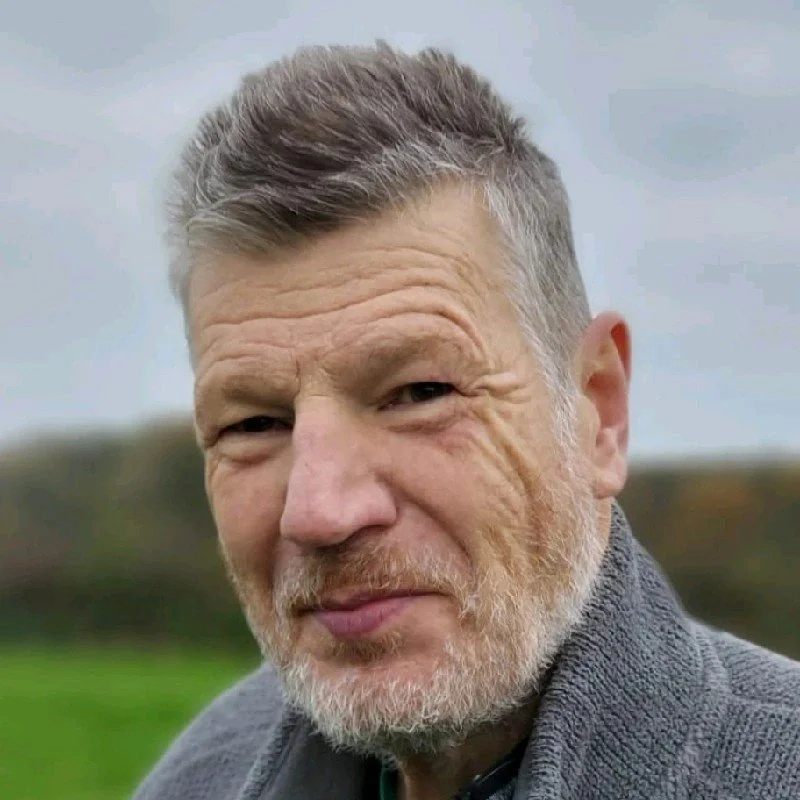
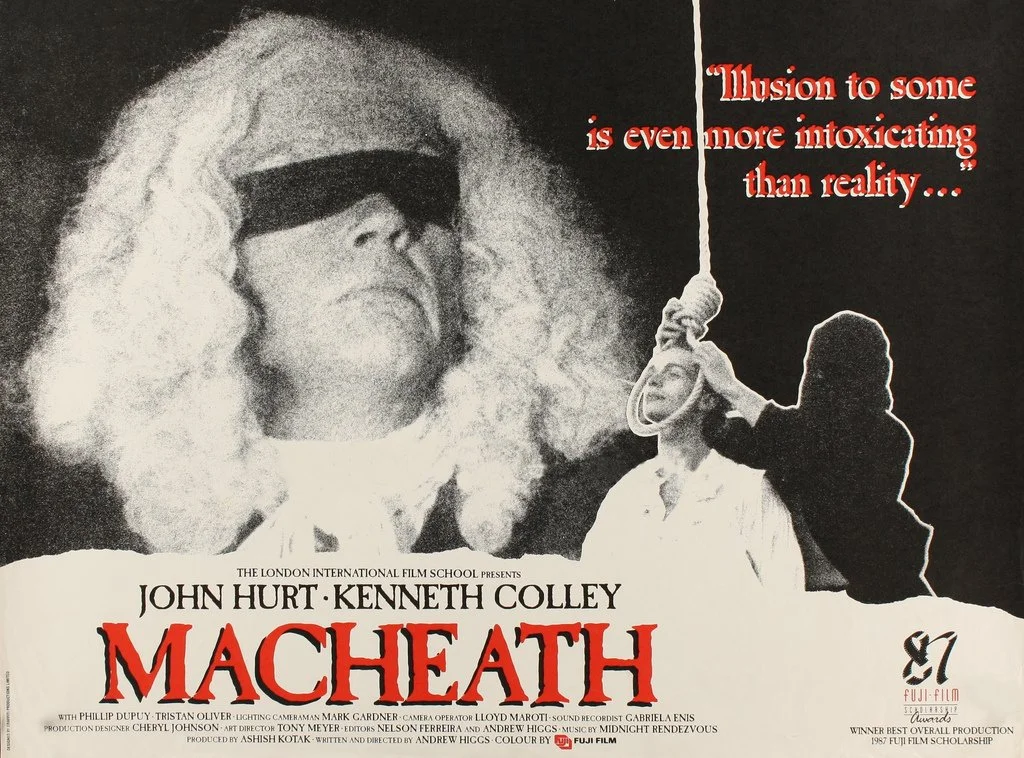
Andrew Higgs 🏳️🌈, a Voting member of BAFTA, came to filmmaking after five years as an infantry officer. This unconventional background served him well at film school, where he became a multi-award-winning student under the mentorship of Gerry Wilson, screenwriter of "Lawman" (1971), "Chato's Land" (1972), and "Scorpio" (1973). Wilson helped Higgs craft the screenplay for his graduation film, "Macheath," which starred John Hurt and Kenneth Colley.
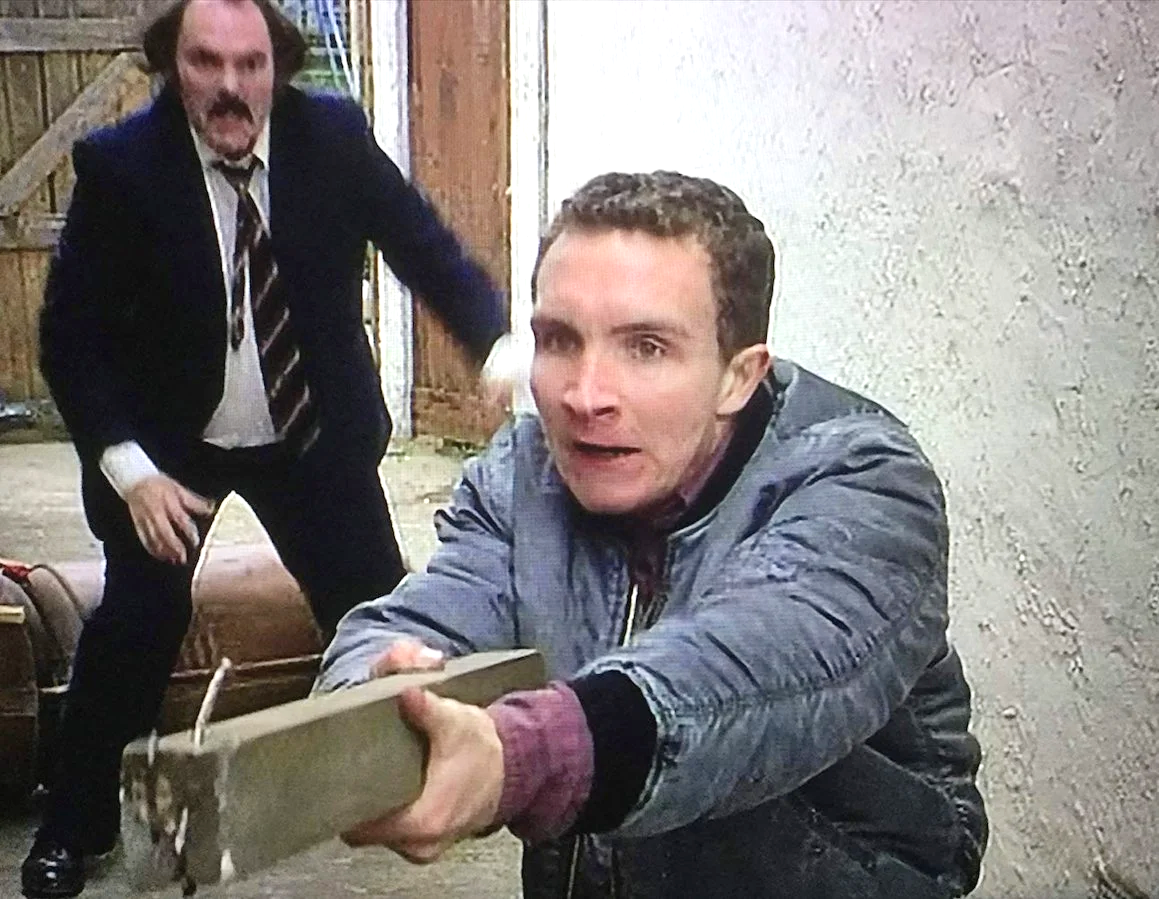
Higgs went on to direct multiple episodes of Brookside and The Bill, where he gave Eddie Marsan his first credited screen role. He also directed numerous episodes of the German police procedural Die Wache, working within the precise production protocols of German television in Cologne.
Between directing assignments, Higgs taught screen acting technique to graduating actors at several UK drama schools, including East 15, Birmingham School of Speech and Drama (now the Royal Birmingham Conservatoire), and the Guildhall School. His Guildhall students at various times included Hayley Atwell, Michelle Dockery, Susannah Fielding, Freddie Fox, Máté Haumann, Lily James, Gwilym Lee, Nikesh Patel, Gavin Stenhouse, and Jodie Whittaker.
Recognising that experienced actors needed ongoing camera training, Higgs founded "The Alchemy of Screen Acting" workshops in 2000. These workshops bring a screen director's perspective to actors seeking practical camera technique, structured around the alchemical cycle of Earth-Water-Air-Fire-Ether—an ancient framework that proves surprisingly relevant to modern screen performance.
Through nearly four decades of directing and actor training, Higgs has developed a unique framework that maps the actor's journey through 21 transformational stages, drawing on both alchemical principles and Shakespeare's dramatic structure. This synthesis of ancient wisdom and practical experience forms the basis of his forthcoming book, The Alchemy of Screen Acting.
Currently, Higgs is completing The Alchemy of Screen Acting for publication while developing several feature screenplays that apply his 21-step framework to contemporary stories.

Contact Andrew
Please see the options below and choose the most suitable one:
For updates on new book chapters and Substack posts, "Join the Mailing List"
For the free "18 Combinations" download: Sign up here [link to download form]. You'll receive the PDF immediately, plus very occasional updates about new discoveries connecting alchemy and screen acting.
To inquire about speaking engagements: For drama schools and acting workshops, please email [speaking@alchemyofscreenacting.com]. For other speaking queries, including industry events, please include details of your event, date, and location.
For industry professionals: Producers, agents, and potential collaborators interested in discussing screen projects should email [projects@alchemyofscreenacting.com]. Please note this address is for industry enquiries only.
General correspondence: For other matters, email [general@alchemyofscreenacting.com]. While I read everything, I can't promise to answer it all—there are twelve scripts demanding attention.



GETTING IN ON THE ACT
With TV producers unwilling to take a chance on unknown faces, actors must be able to make an instant impression," writes Nigel Barrett:
Screen auditions can be an actor's worst nightmare. They are often made to perform like monkeys in a broom cupboard with a runner trying to figure out how to switch the camera on... There is little way around it, but there are ways to cope. I went on a course run by a TV director, Andrew Higgs. His 'Alchemy of Screen Acting' course was born from his frustration at seeing good actors not doing themselves justice at auditions. The pressures of TV schedules did not allow him enough time to coach, and so the job always went to the actor who was reassuringly closest in their audition to what they could do on set. In response to this, his course encourages actors to take the initiative, no matter how scant the script or direction. He believes the actors should redefine themselves as 'self-directing actors'. And this is crucial. If, as an actor, you bring your own ideas to the performance, building a world for your character - even if you only have one line - instead of waiting for advice from an overstretched director trying to get through a room full of auditionees, you've got a much greater chance of getting the gig. Ultimately, however, it's up to the industry if it wants to use our full potential - but, by taking a leaf from Higgs's book, actors can display the technical wherewithal and confidence to embrace the lives they have been asked to portray. And there won't be a monkey in sight.
— Broadcast (10 December 2024)