
Why 'Do Less' Is the Most Common Direction You'll Get (And What It Actually Means)
What’s never explained in film school is that not every director is comfortable directing performances. The technical side — camera, lighting, shot design — that's the part most directors master first. But when a scene isn't working, and the problem is the acting, some directors won't know how to diagnose what's wrong. So they reach for the same two words: “Do less”.

When to Break the Rules on Self-Taping
Every casting director, every audition guide, every acting coach will tell you the same thing: plain background, neutral colours, good lighting, no distractions. Learn your lines. Frame yourself properly. Keep it simple. They're right... Most of the time.

Why Most Actors Go Broke (And the Ancient Principle That Can Prevent It)
Nobody talks about money at drama school. They talk about Stanislavski. They talk about Meisner. They talk about the difference between classical and naturalistic technique. What they don't talk about is the thing that will end more acting careers than bad reviews, difficult directors, and dry spells combined: running out of money.

What Casting Directors Actually Need to See (And Why It Depends on the Role)
If you've spent any time researching how to break into screen acting, you'll have come across the same advice everywhere: get a professional headshot, create a showreel, build your CV, set up a Spotlight profile. The implication is that once you have these materials to a certain standard, casting directors will consider you.

Why Networking Isn't "Selling Out" (The Professional Relationship Reality)
If you're an actor who cringes at the word "networking," you're not alone. Most actors I've worked with feel the same way. The word conjures up images of forced smiles, business card exchanges, and the kind of calculated self-promotion that feels like the opposite of everything that drew you to acting in the first place.

What "Right for the Role" Actually Means (And Why It's Not About Your Acting)
Every actor has heard it. You gave a solid audition. You prepared thoroughly. You felt good about the work. And then your agent calls: "They loved you, but they went another way." Or worse: nothing. Silence. Which you interpret as rejection, which you interpret as failure, which you interpret as evidence that you're not good enough. But here's what most actors don't understand about that moment: in the majority of cases, the decision had very little to do with your acting.

Why the Camera Knows You're ‘Acting’ (And What to Do About It)
You've done the preparation. You've broken down the script, worked out your character's objectives, and made your choices. You walk onto set, the camera rolls, and you deliver what you believe is a solid performance. But the director gives you a note you weren't expecting

Why Most Actors Are Stuck in the Ordinary World (And How to Know If You Are Too)
Every story begins in the same place. The hero is living their life, doing what they've always done. Something isn't quite right, but they can't put their finger on what it is. They keep making the same choices, expecting different results, and getting increasingly frustrated when nothing changes.

The Archer and the Actor: What a Zen Archery Master Can Teach You About Screen Acting
Every screen actor lives with a contradiction. You have to hit your mark, remember your lines, find the light, and match continuity — while appearing to do none of these things. The camera demands absolute technical precision delivered with absolute naturalness. The moment it sees you trying, it stops believing you.

The Alchemy of 'Heated Rivalry': What Makes This Show Land So Hard
When Heated Rivalry premiered on Crave in November 2025, critics and audiences responded with unusual intensity — 96% on Rotten Tomatoes, Episode 5 achieving a perfect 10.0 on IMDb (tying with Breaking Bad's legendary "Ozymandias").

Why Talent Alone Won't Get You Cast (The Uncomfortable Truth About the Screen Industry)
This is the conversation most actors don't want to have. You trained for years. You've developed your craft. You understand character, you can access emotion, and you know how to build a performance. You're talented—genuinely talented—and you believe that should be enough. It isn't.

Why the Screen Casting Process Feels Like a Closed Shop (And What That Actually Tells You)
Every new actor eventually hits the same wall: "How am I supposed to get cast when I can't get an agent without credits, and I can't get credits without an agent?"

The Six Factors Casting Directors Use to Assess Risk (And Why You're Probably Focusing on the Wrong Ones)
When I tell actors that casting directors are assessing risk, they usually think I mean "Will this actor forget their lines?" or "Will they turn up on time?" Those things matter, certainly. But the risk assessment starts much earlier than that.
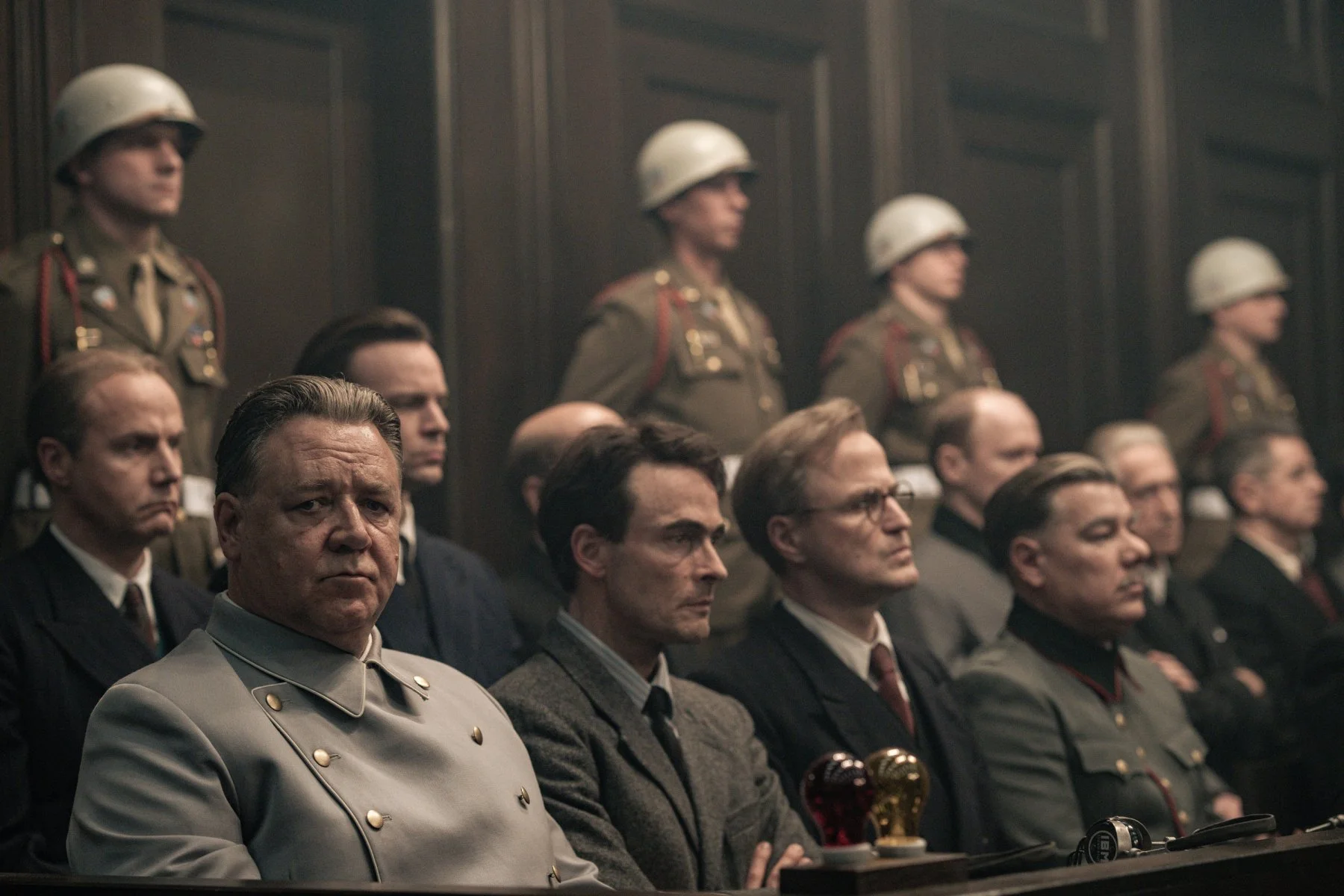
‘Nuremberg’: The Film That Could Have Been Great
James Vanderbilt wrote Zodiac. Russell Crowe won an Oscar for Gladiator. Rami Malek won one for Bohemian Rhapsody. The source material, Jack El-Hai's The Nazi and the Psychiatrist, a true story of an American doctor who spent months interrogating Nazi war criminals, became dangerously entangled with Hermann Göring and eventually killed himself using the same method as the man he studied.

The Prophet and the Monster: Why ‘Bugonia’ Is a Structurally Perfect Film
Bugonia is a film about a man who kidnaps a CEO because he believes she's an alien. Teddy Gatz (Jesse Plemons) lives in the post-industrial ruins of an America that the biotech elite have left behind. He works in a fulfilment centre for the very corporation he's convinced is an extraterrestrial front. He's chemically castrated himself and his cousin Don to "maintain focus."

The Problem-Solving Mindset: What Casting Directors Actually Look For
Most actors walk into auditions thinking about themselves: "Am I good enough?" "Will they like my choices?" "Do I look right?" "Will I finally get this break?"
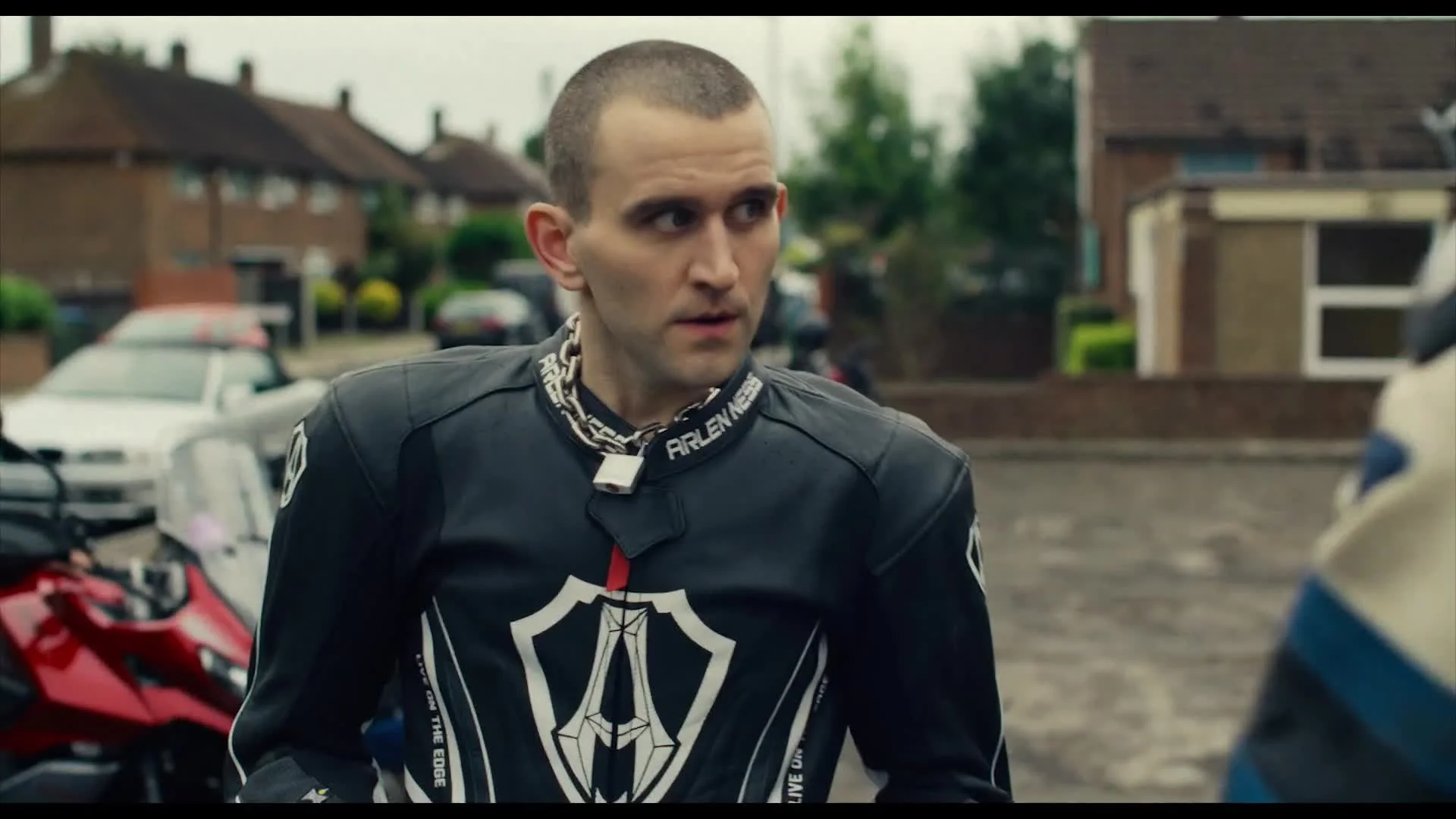
'Pillion': Always on the Back Seat
Harry Lighton's debut feature, based on Adam Mars-Jones's short story "Box Hill," follows Colin (Harry Melling), a 35-year-old traffic warden who still lives with his parents. He enters an intense BDSM relationship with Ray (Alexander Skarsgård), a motorcycle-riding dominant who sets strict rules and expects obedience.
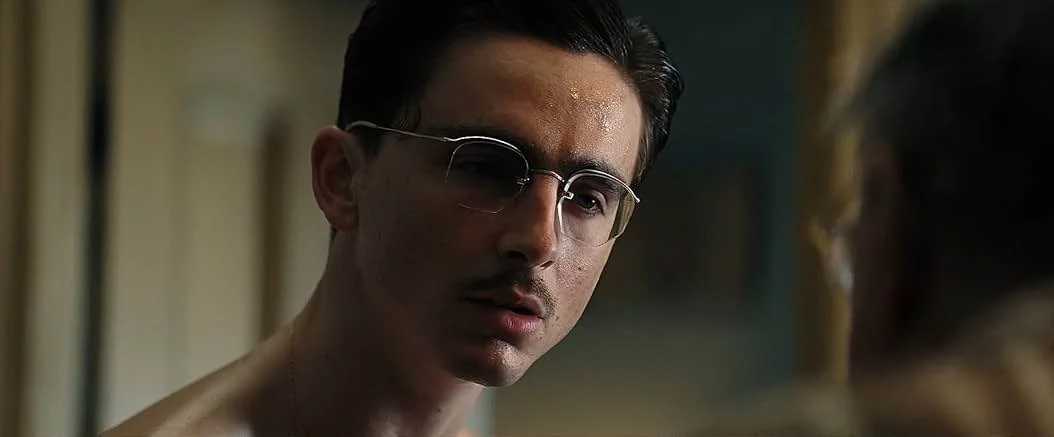
'Marty Supreme': The Price of Winning
Nominated for both the Academy Award for Best Picture and Best Original Screenplay, and BAFTA for Best Film and Best Original Screenplay, Marty Supreme does something audacious: it gives us a sports film where the hero wins the final match, and that victory completes his damnation.

'Sentimental Value': Falling in Slow Motion
Nominated for both the Academy Award and BAFTA for Best Film and Original Screenplay, Sentimental Value presents an extraordinary challenge: how do you tell a story that spans 106 years, jumps between multiple time periods, follows several protagonists, and yet feels completely coherent—even inevitable?
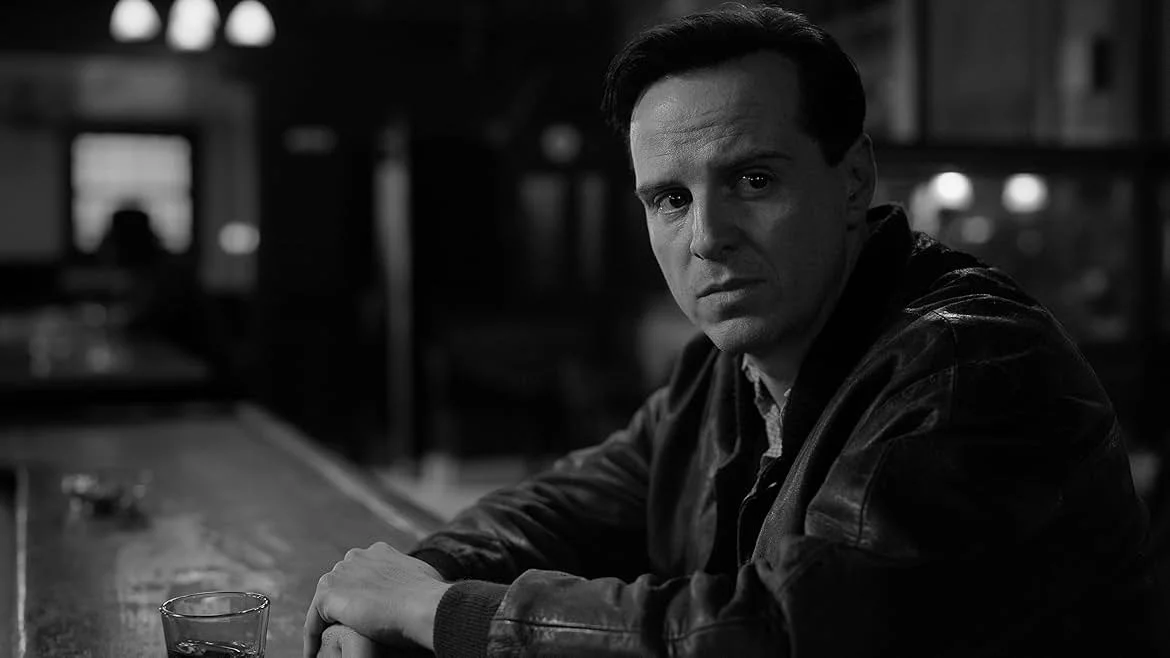
The Alchemical Transformation of Tom Ripley
Steven Zaillian's Ripley opens with Tom trapped in New York's subway, drowning in a nightmare that becomes literal in Italy. The eight-episode series adapts Patricia Highsmith's novel, allowing Tom's metamorphosis the time it needs on screen.