When to Break the Rules on Self-Taping
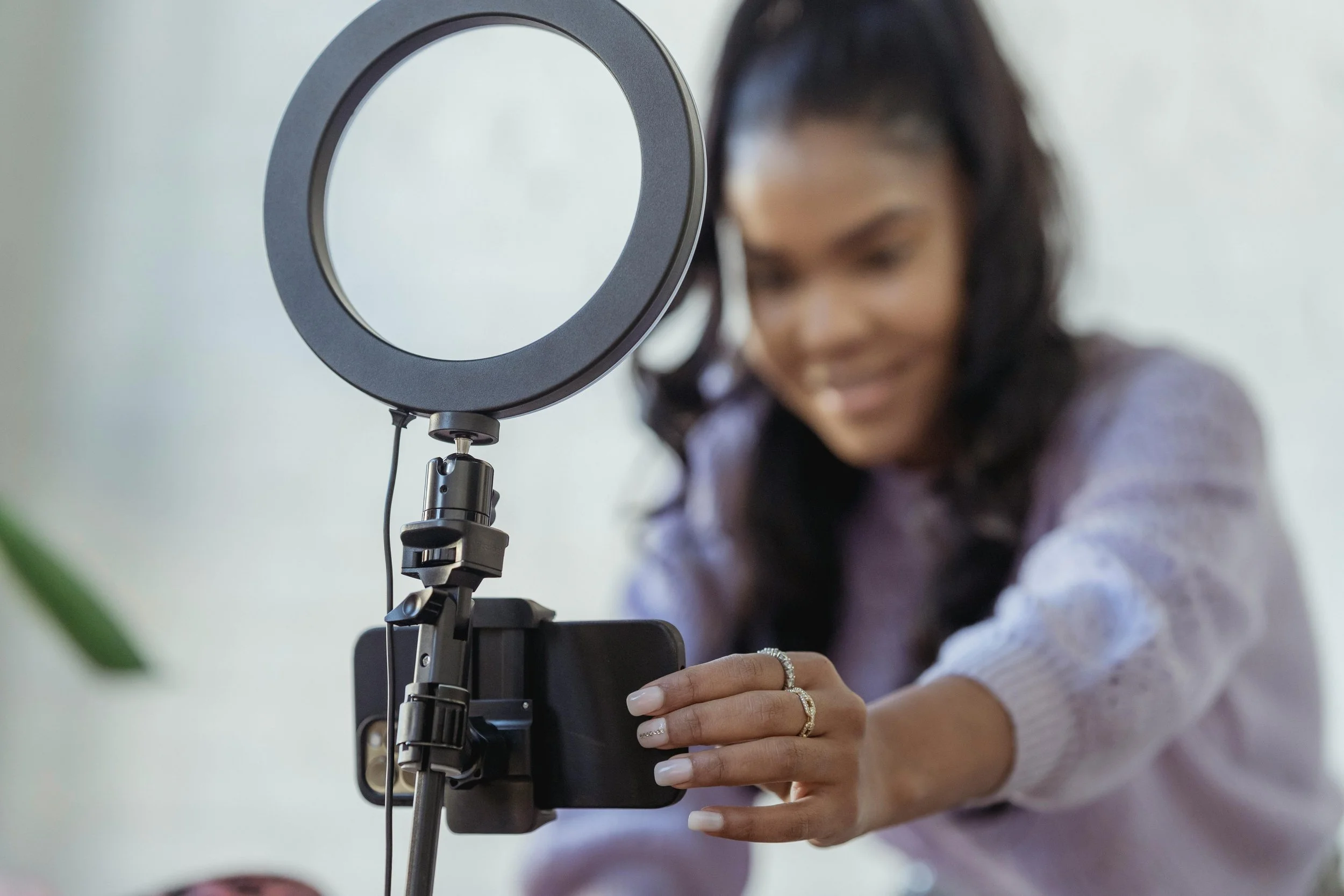
Every casting director, every audition guide, every acting coach will tell you the same thing: plain background, neutral colours, good lighting, no distractions. Learn your lines. Frame yourself properly. Keep it simple.
They're right… Most of the time.
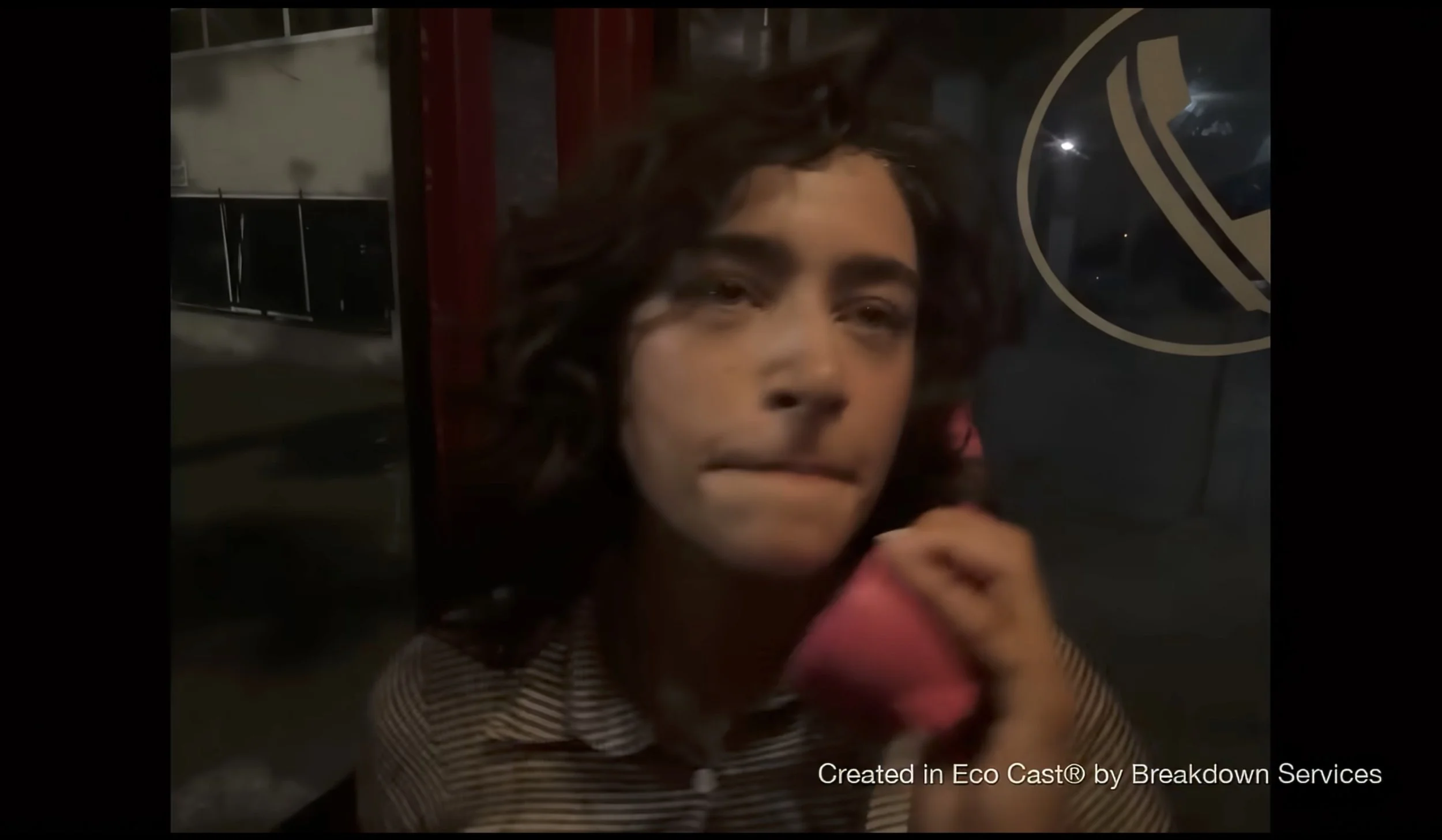
But last year, a 25-year-old actress was shooting a horror film in Budapest when a self-tape request came through for an A24 picture she desperately wanted. The scene was set in a 1950s phone booth. So instead of finding a white wall in her hotel room, she went out into the streets at midnight, found an old phone booth, recruited her co-star Belmont Camelito run the camera, and shot the tape right there.
That actress was Odessa A'zion. The film was Marty Supreme. It now has nine Oscar nominations, including Best Picture. (I wrote about the film's deeper themes in 'Marty Supreme': The Price of Winning.)
The director, Josh Safdie, had already met A'zion on a Zoom call and decided she was too young for the role of Rachel Mizler. He'd moved on. But the film's casting director, Jennifer Venditti— who remembered A'zion from an earlier audition for Euphoria — pushed for her to do a self-tape. Venditti didn't just send the sides and wait. She coached A'zion remotely, giving her notes after each attempt, working as a team with A'zion and Cameli across the time difference until the tape was right.
When Safdie saw it, his concerns vanished. There was no chemistry read with Timothée Chalamet. No callback. The self-tape was enough.
Now, before you rush out to film your next self-tape in a skip behind Tesco, let me be clear about something. The standard advice exists for very good reasons.
Richard Evans, a casting director with the Casting Directors’ Guild (CDG), is unequivocal about the basics in his book Self-Taping: The Actor's Guide. Shoot indoors. Use a plain background — white, off-white, or light pastel. Make sure the sound is clean and echo-free. Frame yourself in a close-up with the right amount of space around your head. Shoot in landscape. Use a tripod or a steady surface. And for the love of God, learn the lines — what Evans calls being 'DLP', dead letter perfect. He means exactly as written, with no paraphrasing, no word substitutions, no improvements on the writer's dialogue. Scripts are timed to the second, and writers are protective of their words. Change them at your peril.
Sharon Bialy, whose casting credits include Breaking Bad and The Walking Dead, says much the same in How to Audition on Camera: use a plain blue or grey backdrop, keep the camera at eye level, and remember that ninety-five per cent of the mistakes actors make on tape involve doing too much. Nancy Bishop, in Auditioning for Film and Television, reinforces the point — she's seen tapes ruined by background noise, engines running, elaborate location setups that distracted from the performance.
These people know what they're talking about. The rules aren't arbitrary. They exist because casting directors watch hundreds of self-tapes for every role. Anything that makes the tape harder to watch — bad sound, busy backgrounds, shaky camera, over-acting — goes straight to the reject pile. Your job is to remove every obstacle between your performance and the person watching.
So learn the fundamentals. Master them. Evans's book will walk you through every technical detail, from lighting setups using anglepoise lamps to how to manage the sound balance when a friend is reading in opposite you. This is your foundation. You cannot break rules you haven't learned.
But here's what A'zion understood that most actors miss.
There's a difference between breaking the rules because you can't be bothered to follow them and breaking the rules because you've found something better. The phone booth was a creative decision rooted in the material. The scene called for Rachel Mizler to be in a phone booth, negotiating under pressure. A'zion looked at that and thought: why would I perform this trapped, claustrophobic, high-stakes moment against a white wall when there's an actual phone booth right there?
She's been explicit about this. In an interview with the Los Angeles Times, she said she prefers self-tapes to in-person auditions precisely because of the creative freedom they offer. And her philosophy on white walls? She's done self-tapes in her car, at the beach, in the ocean, in a pool, in her bed, in her bathtub. Her exact words, from the same interview: why would she do it against a white wall when the environment could serve the character?
This isn't recklessness. It's an actor thinking like a director. Safdie had written a scene set in a phone booth. A'zion found one in Budapest at midnight and performed it for real — dirty, messy, and completely in character. That specificity is what made the tape impossible to ignore.
There's a practical lesson in this for every actor with a phone and a tripod.
Once you've mastered the basics — and Evans's book will get you there — start thinking about what serves the character. Not what's flashy. Not what's clever. What serves the specific scene you've been given? Sometimes a plain background and a good close-up will be exactly the right choice. But sometimes, when the environment genuinely puts you deeper into the character's reality, the bold choice is also the smart choice.
A'zion didn't land the role because she used a phone booth. She landed it because she gave a performance that was impossible to say no to, and the phone booth helped her get there. The location served the performance. The performance didn't serve the location. Get that the wrong way round and you'll end up with a gimmicky tape that annoys everyone who watches it.
One more thing. A'zion sent multiple versions of the tape over several days, working with Venditti's notes each time. This wasn't a one-shot improvisation. It was a disciplined, iterative process — exactly the kind of professional practice that the best self-tapes are built on. She took a bold, creative risk, and she put in the detailed work to execute it properly.
That's the combination that changes careers.
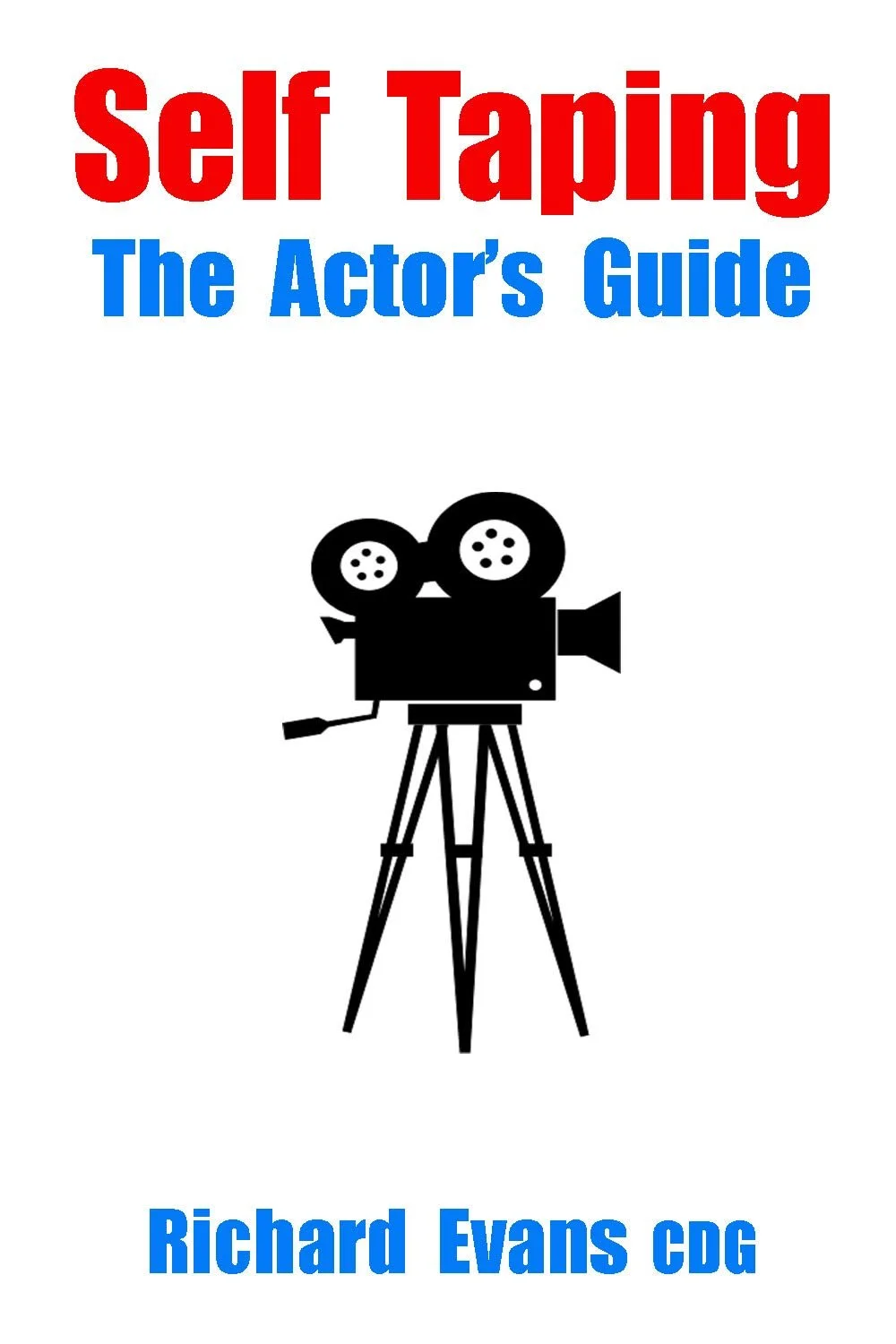
If you want to get the technical fundamentals right — and you need to, before any of the creative risk-taking makes sense — Richard Evans's Self-Taping: The Actor's Guide is the place to start. Evans is a casting director with the CDG, and the book is exactly what it says: a clear, practical walkthrough of the entire self-taping process, from setting up your space to sending the finished product. It's short, it's useful, and it'll stop you making the errors that get tapes binned before anyone watches your performance.
The Alchemy of Screen Acting: Building a Sustainable Career in 21 Steps will be published soon as a complete guide. Each step builds on the previous one, taking you from wherever you are now to working professionally with casting directors actively seeking you out for suitable roles.
Header image: George Milton on Pexels