Why 'Do Less' Is the Most Common Direction You'll Get (And What It Actually Means)
What’s never explained in film school is that not every director is comfortable directing performances. The technical side — camera, lighting, shot design — that's the part most directors master first. But when a scene isn't working, and the problem is the acting, some directors won't know how to diagnose what's wrong. So they reach for the same two words: “Do less”.
I've always worked differently. When a scene goes flat, or the energy is off, I want to know why — and I want to give the actor something specific to work with. But I know plenty of directors who find performance notes genuinely difficult, and "do less" becomes their default. Actors hear it constantly. And almost none of them know what to do with it.
Actors tell me about it all the time. They'd been working on the scene. They'd prepared. They'd made choices. And then the director told them to throw all that away and do... what, exactly? Nothing? Just stand there?
That's the problem with "do less." It's probably the most common direction a screen actor will ever receive, and it's also the most misunderstood.
Here's what "do less" doesn't mean. It doesn't mean do nothing. It doesn't mean switch off, go blank, give the camera a dead face and hope for the best. Nothing terrifies a director more than an actor whose eyes have gone empty. Vacant eyes on screen are exactly what they sound like — they kill a scene stone dead.
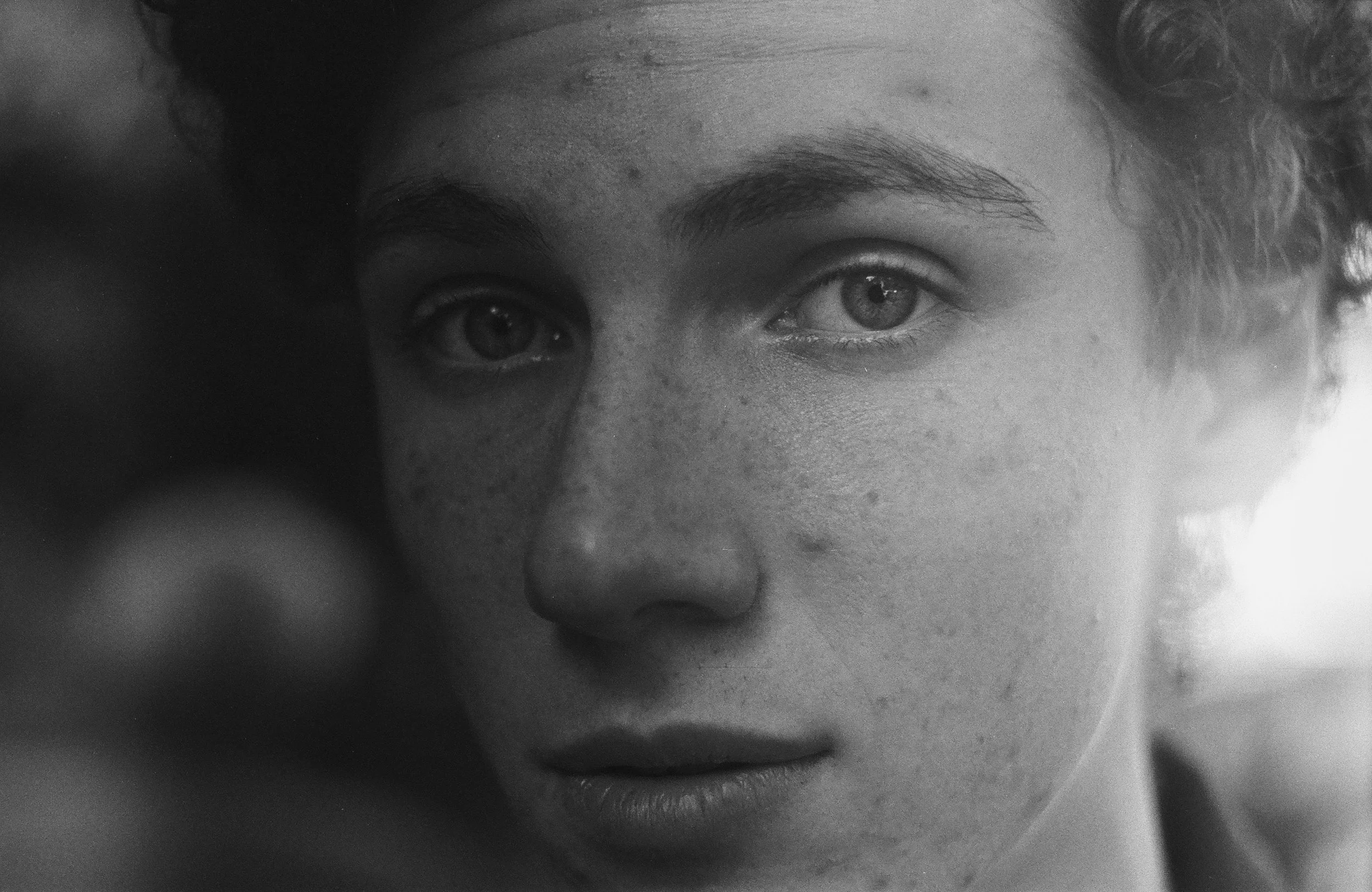
What "do less" actually means is reduce the size, not the intention. You can be absolutely burning with rage, grief, desire, terror — but the camera is eighteen inches from your face, and it sees everything. You don't need to project to the back of the stalls. You need to think it, and let the lens do the work.
Michael Caine understood this better than anyone. In his book Acting in Film, he describes the camera as an attentive lover that's already fascinated by you. You don't need to seduce it — it's already seduced. The camera looks into your mind, he says. If your mind is in overdrive, your body follows. Thinking is more important than doing.
That single insight separates screen acting from stage acting more clearly than anything else I know.
Stage actors have a particular problem with this. If you've trained for theatre — and most actors in the UK have — you've spent years learning to project. To fill a room. To reach the person in the back row of the upper circle. Every instinct you've developed tells you to push energy outward.
Then you walk onto a set, and all of that becomes a liability.
But projection isn't the only thing that catches actors out. Nerves play a bigger role than people admit, especially on your first few screen jobs. The camera picks up tension you don't even know you're carrying, and a director who isn't confident with performance notes will default to "do less" rather than identify the real problem.
The adjustment isn't intuitive. You know what screen acting looks like — you've been watching it your whole life. But knowing what it looks like and being able to produce it under pressure, with a crew watching and a schedule to keep, are completely different things. And on set, you can't see what the camera sees. That's why watching yourself on screen during training is so important, however painful the experience might be. It's the only way to calibrate the gap between what you feel you're doing and what actually reads on camera. Once you're on set, you rely on the director to be your eyes and ears — and that relationship of trust is at the heart of how professional screen acting works.
But there's something you can do to meet the director halfway. If you understand shot sizes and what each one demands from you, you arrive on set with a framework — not guessing, but adjusting.
Here's a rough guide that Caine lays out: for a medium shot, reduce what you're doing by about half. For a close-up, reduce by about three-quarters. For an extreme close-up — just think it. The camera will see it.
Now here's the part that confuses people: "do less" doesn't mean every screen performance should be a whisper. Watch any of this year's Oscar-nominated performances, and you'll see enormous range. Jessie Buckley in Hamnet is raw, physical, almost overwhelming in her grief — and she's superb. Michael B. Jordan plays two roles in Sinners, and neither of them is quiet. These are big, muscular, emotionally demanding performances.
So how does "do less" apply?
It applies because even in those performances, the actors are calibrated to the camera. They know what size shot they're in. They know when to let the lens do the work and when the scene demands more from them physically. They're not projecting to the back of a theatre — they're working with the camera as a partner. The size of the performance matches the size of the shot. That's the skill.
A close-up performance in Hamnet doesn't look like a wide shot performance in Hamnet. Buckley adjusts —, and she's just won the BAFTA for Best Actress to prove it. That adjustment — knowing when to do more and when to do much, much less — is what professional screen acting actually is. It's not one setting. It's a constant recalibration based on what the camera needs from you in this moment, in this shot, in this scene.
There's another dimension to "do less" that goes beyond shot size, and it's the one that really separates beginners from professionals. It's about what you do between the lines.
Watch any great screen performance carefully, and you'll notice something: the acting happens in the listening, not the speaking. The moments that grab you are reactions — a flicker in the eyes, a slight shift in posture, a beat of stillness before a response. Those are the moments directors and editors love, because they're the moments that feel real.
Beginners only act when they're talking. Professionals act when they're listening.
The reason is simple. When you're speaking, the audience is processing your words. When you're silent and listening, they're watching your face — and so is the camera. That's where the real storytelling happens on screen. A reaction shot of someone absorbing what they've just been told is worth more than a perfectly delivered monologue.
This is why Caine's advice about thinking is so important. If you're genuinely thinking the character's thoughts — not acting the appearance of thinking, but actually processing what your scene partner just said — the camera sees it. And that's all you need. The work is internal. The camera makes it external.
So the next time a director tells you to do less, don't panic. Don't go blank. Don't switch off. They're not telling you the performance is bad. They're telling you the performance is almost there — and the camera is close enough to see it without you pushing.
Think of it as turning down the volume on a speaker. The music doesn't change. The melody, the harmony, the feeling — it's all still there. You're just making it quiet enough for someone sitting right next to you.
That's screen acting. The audience is right next to you. They're eighteen inches away, looking into your eyes. You don't need to shout. You just need to mean it.
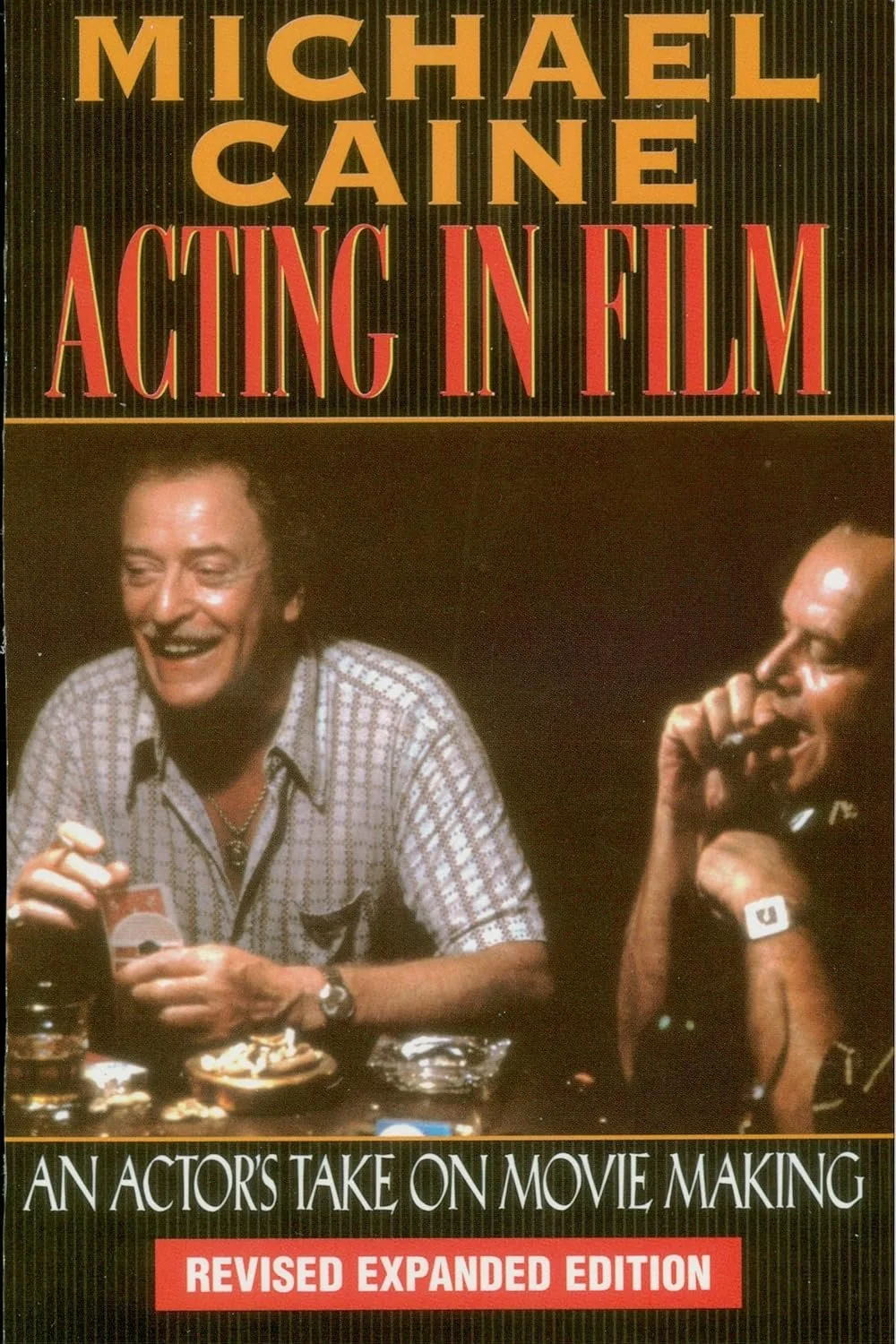
If you want to go deeper into this — and every screen actor should — pick up Michael Caine's Acting in Film: An Actor's Take on Movie Making. It's short, it's funny, it's stuffed with practical insight from a sixty-year career, and it will change how you think about what the camera needs from you. There's also a companion video — the original BBC masterclass from 1987, where Caine teaches five young actors on a sound stage. It's an hour long, and it's extraordinary. You can find it here: Michael Caine — Acting in Film (BBC, 1987). Between the book and the video, you'll learn more about working on screen than most drama school courses will teach you in a year.
The Alchemy of Screen Acting: Building a Sustainable Career in 21 Steps will be published soon as a complete guide. Each step builds on the previous one, taking you from wherever you are now to working professionally with casting directors actively seeking you out for suitable roles.
Photo by Mykyta Kravčenko on Unsplash